
How to find the correct size for your ring



5 rules to keep in mind when taking your ring size
To take the right size of a ring, you must consider that the human body is rarely perfectly symmetrical: the right and left sides are slightly different. For this reason, hands and fingers also have different sizes. Furthermore, the change in temperature from hot to cold or vice versa also influences the measurement as the fingers may or may not swell throughout the day. For this reason, it is best to measure at the end of the day and at a normal temperature, avoiding the cold early-morning hours.
The size must be increased if the ring has a wide shank and decreased by half a size if it is a comfort-fit wedding band.
If your finger has a soft shape, you will have to focus on a broader shank thickness to prevent the ring from slipping off the finger or causing an unpleasant "muffin-top" effect, making it unsightly and uncomfortable for the wearer.
If, on the other hand, you have prominent knuckles, choose a ring that does not spin round too easily: a ring with a large stone that turns on the finger is not comfortable, because the stone can knock against things, and even driving or carrying shopping bags could be painful. In this case, a wedding band, a slim band or a wider band is the better choice.
3 ways to determine your ring size
If you do not know the size of your finger, the simplest method to use at home will be to take a cotton thread or a thin strip of paper to measure your finger's circumference and then determine its size by placing it next to a ruler.
If you have the correct size ring, you can take the inner circumference with specific tools: jewelers use ring sizers with a specifically designed mandrel, as in the first photo, and calipers, as shown in the second photo.


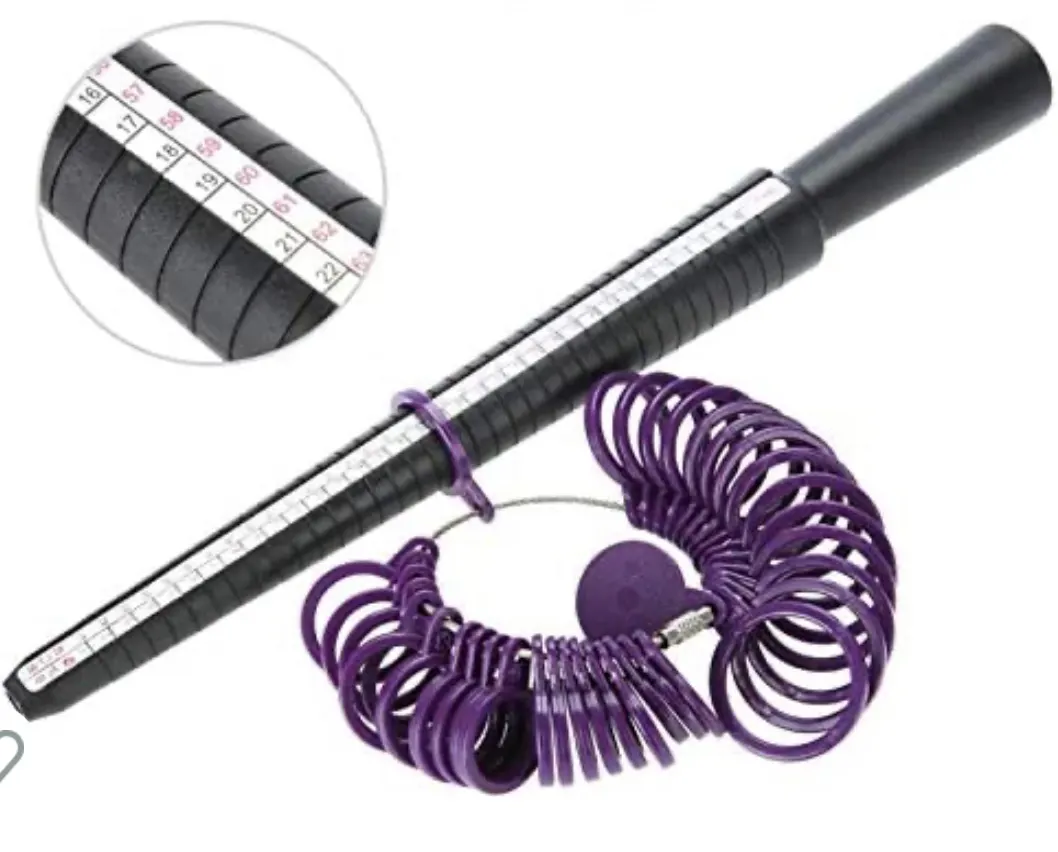


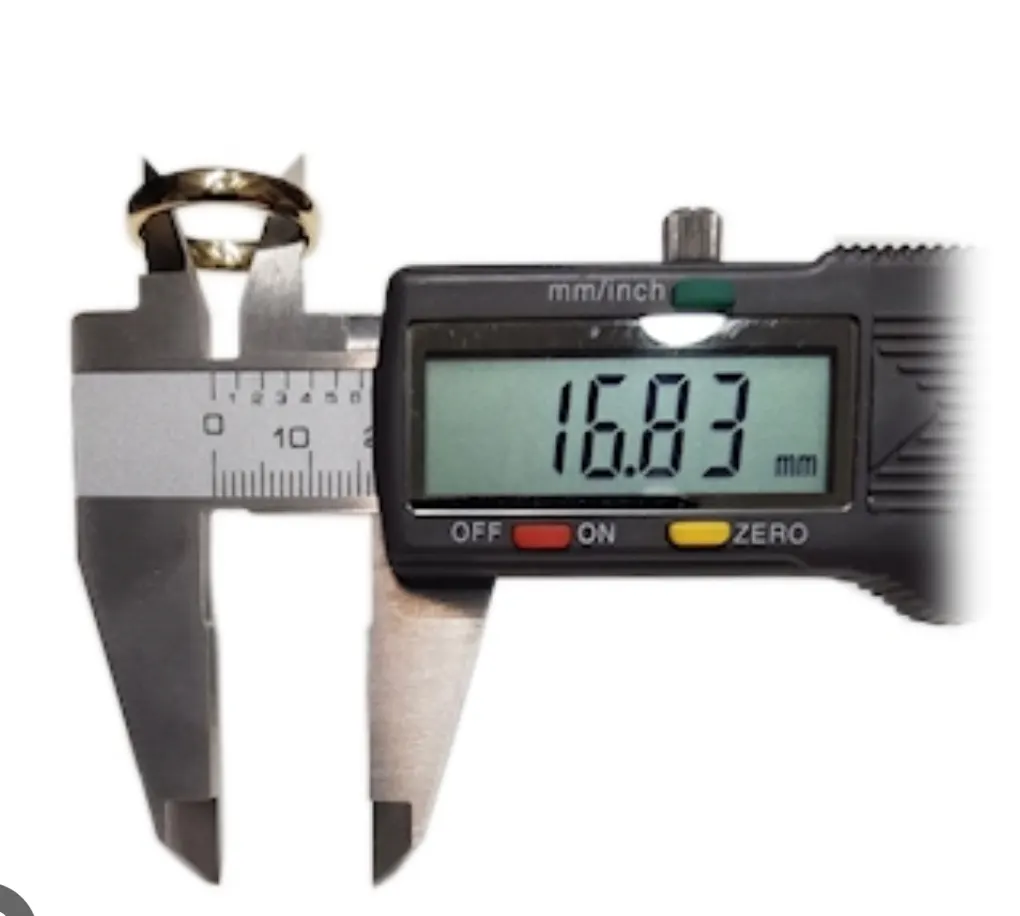
Otherwise, as in the third photo, you can take the ruler and place the ring you already own on it.


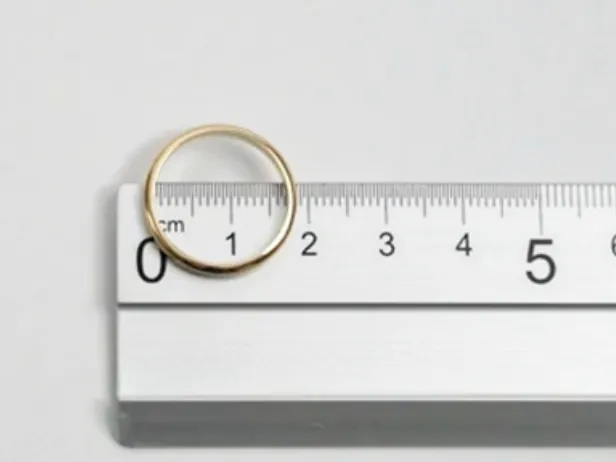
Did you know any of these methods? If you need advice for a ring that can make your qualities shine, we'll be waiting for you at the jewelry store on Ponte Vecchio.
Since 1871
The history of Biscioni Gioielli started in 1871, and it's a tale about tradition and craftsmanship, intertwined to form a design whose contours are the same as the Florence skyline.



The Workshop
In a market dominated by production abroad, Biscioni Gioielli still crafts its jewels in its workshop on Ponte Vecchio, a true Italian excellence.


Atelier
Jewels are the opportunity to hold a dream in your hands, wear it, and recognize it in the admiring gaze of those who see it, discreet, yet full of meaning.