
What are lab-grown stones?


Lab-grown stones are synthetic minerals grown in the laboratory, which have the same characteristics as natural stones in terms of chemical composition, crystalline structure, and physical properties.
How are they made?
They are made using cutting-edge technologies that simulate geological processes.
For diamonds there are two main methods: HPHT (high pressure, high temperature), which recreates the conditions in which diamonds form deep inside the Earth, and CVD (chemical vapor deposition), in which the crystal grows layer by layer from a carbon-rich gas. Other gems, such as rubies, sapphires and emeralds, are grown with different processes.
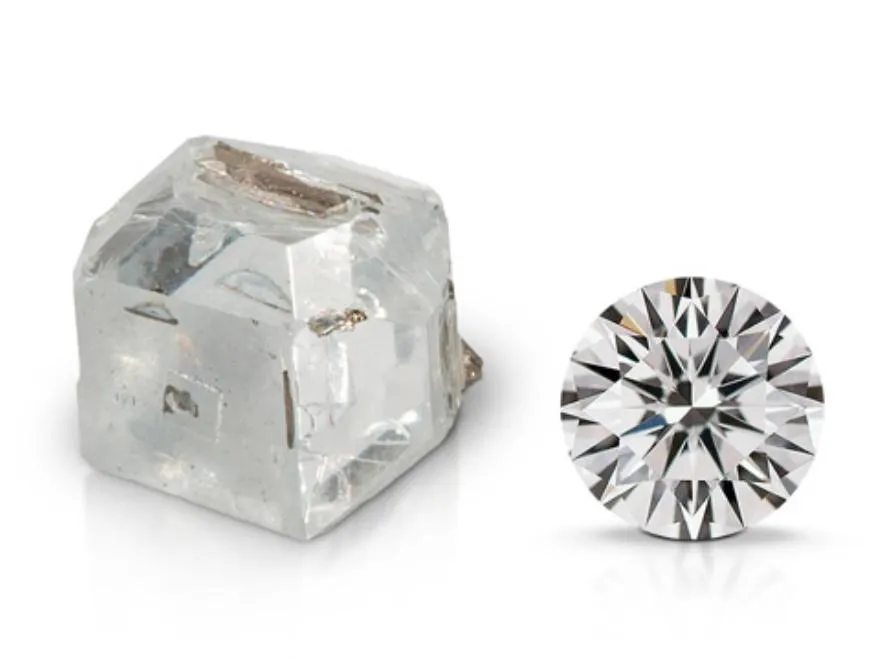
You can see in the photos below the different crystalline structures of the natural stone…


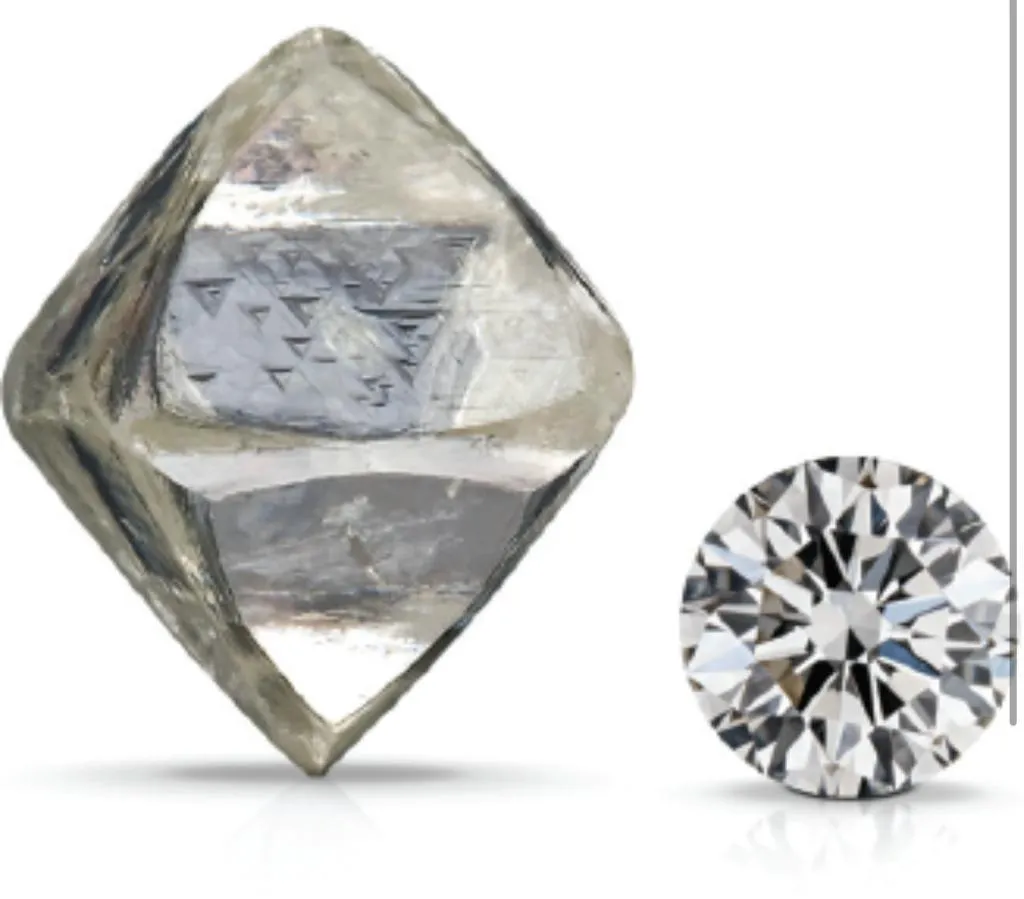
…compared to the synthetic one.


Jewelry with lab-grown stones is very popular in the fashion world because it is a more affordable alternative; natural stones remain rarer, and their long-term value is usually different.
Telling a synthetic stone from a natural one is very difficult, even for experts: so when you make a valuable purchase, always ask for the stone's origin (natural or lab-grown) and any treatments to be stated in writing, ideally with a gemological certificate.
Would you like to know more about how the jewels you have purchased are made? Contact us or stop by our shop on Ponte Vecchio at 38r.
Since 1871
The history of Biscioni Gioielli started in 1871, and it's a tale about tradition and craftsmanship, intertwined to form a design whose contours are the same as the Florence skyline.



The Workshop
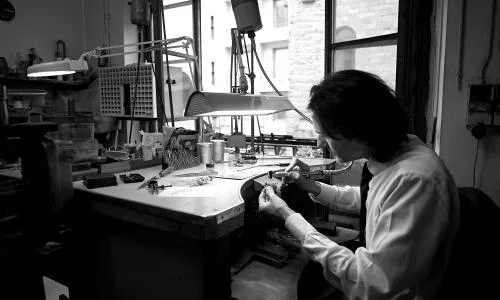
In a market dominated by production abroad, Biscioni Gioielli still crafts its jewels in its workshop on Ponte Vecchio, a true Italian excellence.

Atelier
Jewels are the opportunity to hold a dream in your hands, wear it, and recognize it in the admiring gaze of those who see it, discreet, yet full of meaning.